
Finally a League of Their Own
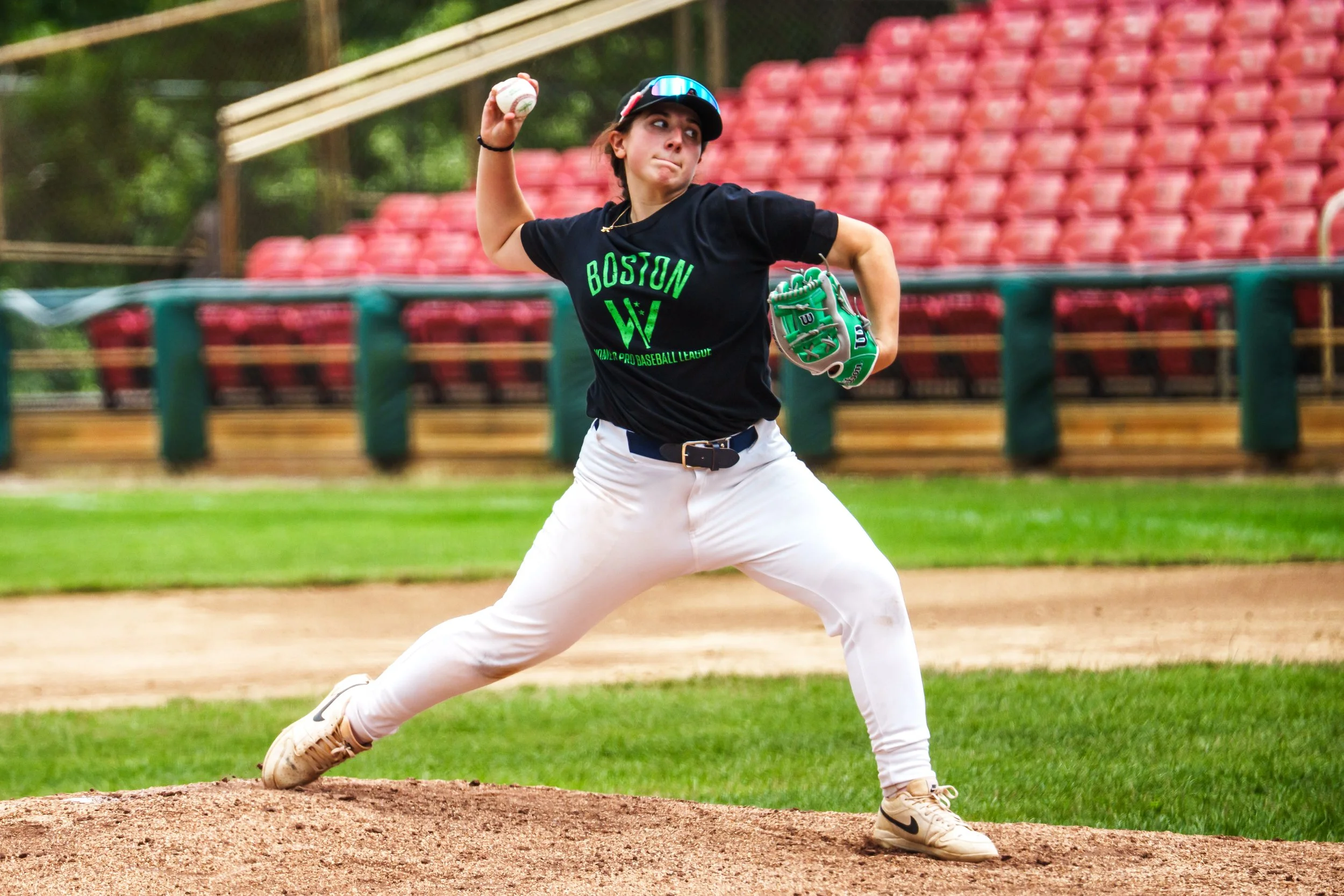
WPBL Boston’s Gigi Schiano takes the mound. Photo by Jay Ruzicka.
In 1943, Phillip K. Wrigley (yes, that Wrigley of the Chicago Cubs) founded the first iteration of the women's professional baseball league, known at the time as the All-American Girls Professional Baseball League (AAGPBL). Founded during World War II to fill the gap left by the men off at war and operated from 1943 to 1954. It had more than 600 women playing in the league and at its peak, it featured 10 teams across the Midwest. The most well known being the Rockford Peaches, Racine Belles, South Bend Blue Sox, and Kalamazoo Lassies.
In 1948, attendance topped 900,000 fans, making it one of the most successful women's sports leagues of its era.
While it was successful at filling the gap, after the war, Major League Baseball stars returned, television became more popular, and attendance steadily declined. The league folded after the 1954 season. For decades, the league was largely forgotten until the 1992 film A League of Their Own introduced its story to a new generation. The movie was inspired by the real league, though many characters were fictionalized. In 1988, surviving players were honored with a permanent exhibit at the National Baseball Hall of Fame and Museum, recognizing their pioneering role in baseball history.
More than 70 years after the AAGPBL's debut, the new Women's Professional Baseball League launched its inaugural season in the summer of 2026, becoming the first U.S. professional women's baseball league since the AAGPBL folded in 1954. The league was co-founded by Justine Siegal and features teams in New York, Boston, Los Angeles, and San Francisco. The first season begins in August 2026 with Los Angeles vs. New York (August 1) and San Francisco vs. Boston (August 2). While the Women's Professional Baseball League is making history by becoming the first professional women's baseball league in the United States since 1954, its impact reaches far beyond the inaugural season. For many players, the league represents something generations of women have never had—a place to continue playing the sport they love at the professional level.
"To me, the WPBL means having the opportunity to continue to play the game I love and be able to compete and grow with so many other women who love the game just as much as me," said Gigi Schiano of WPBL Boston. "It represents so much growth for the future generation and proves to them that women do play baseball."
Schiano's words capture the significance of the league beyond wins and losses. For decades, girls who dreamed of playing baseball professionally had no pathway beyond youth leagues or international competition. The WPBL changes that narrative, providing not only an opportunity for today's athletes but also a visible future for the next generation of girls who want to play baseball—not because they're trying to prove they belong, but because they already do.
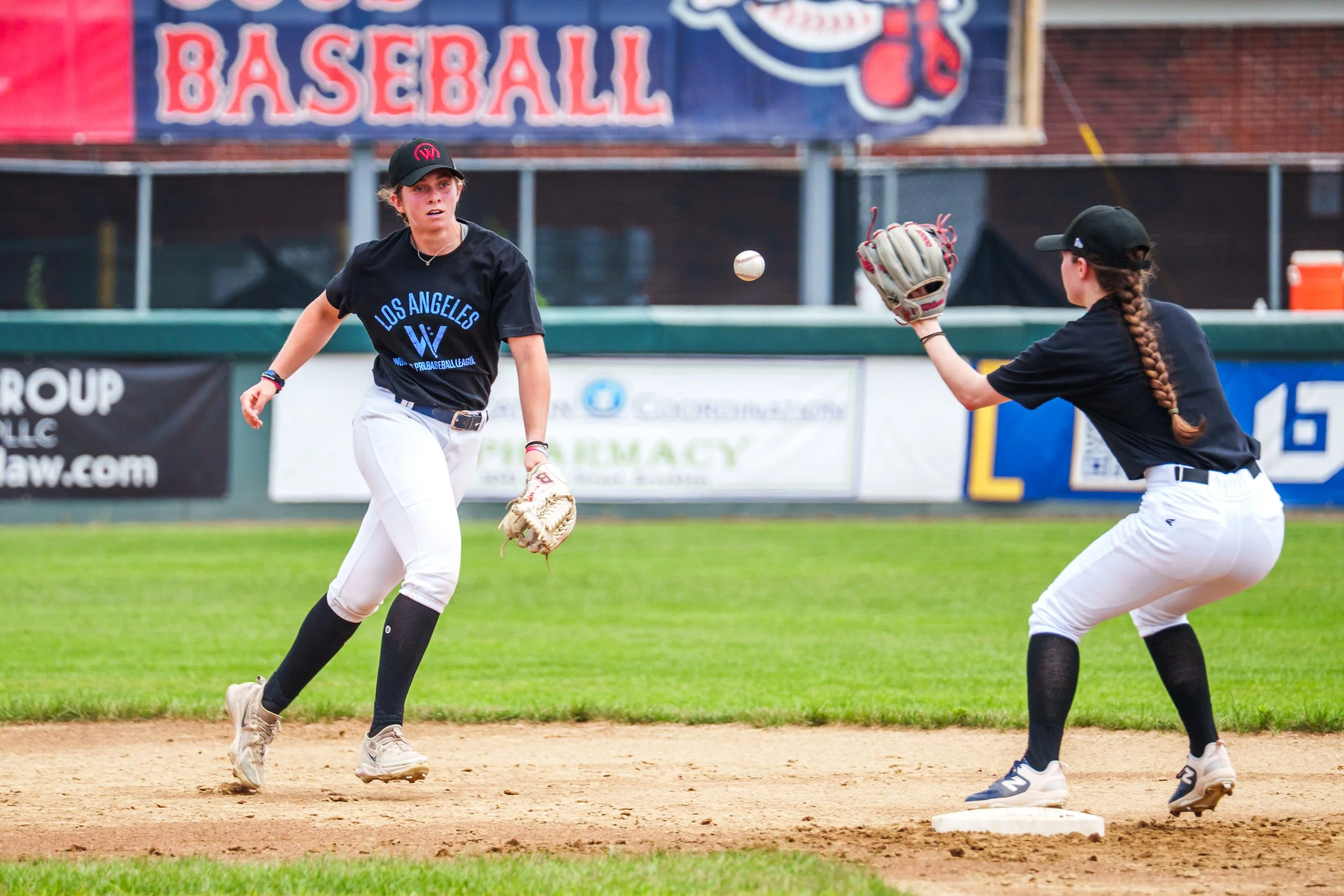
Maggie Foxx, WPBL Los Angeles, practices infield drills. Photo by Jay Ruzicka.
Unlike established professional leagues, all four teams will play their inaugural season at a single site: Robin Roberts Stadium.
That decision allows the league to reduce travel and operating costs, focus resources on player experience and fan engagement and build the league before eventually moving teams into their home cities. Springfield was chosen for its historical significance—it hosted one of the earliest documented professional women's baseball games in the 19th century, making it a fitting birthplace for the league's return.
The league held nationwide tryouts in 2025 and drafted many of the world's top women's baseball players. Some recognizable names include:
Kelsie Whitmore – the first woman to play in an MLB-partner professional league.
Ayami Sato – widely regarded as one of the greatest women's baseball pitchers in history.
Mo'ne Davis – whose participation generated enormous excitement after becoming a household name during the 2014 Little League World Series.
As anticipation builds for the inaugural Women's Professional Baseball League (WPBL) season, the league is already making its presence felt in the communities its teams will eventually call home.
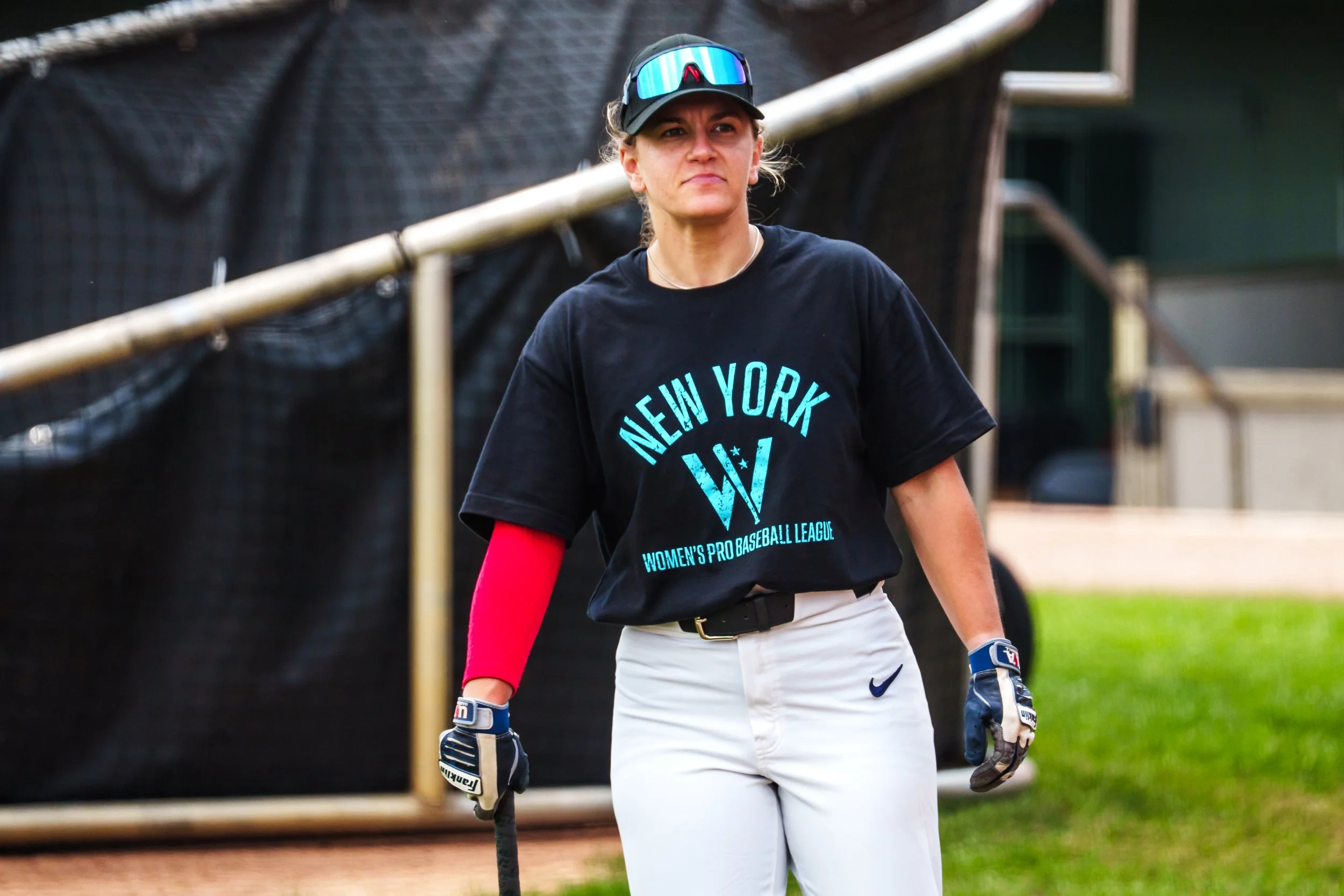
WPBL New York’s Jacqui Reynolds prepares for batting practice. Photo by Jay Ruzicka.
On June 28, the WPBL brought its Countdown Tour to Campanelli Stadium in Brockton, Massachusetts, giving New England fans their first opportunity to see members of the Boston club and several other league players take the field together. The event featured a live training session led by league coaches, followed by a FanFest where attendees met players, collected autographs, and celebrated the return of professional women's baseball.
More than just a preseason workout, the Brockton stop represented the league's commitment to building relationships with fans before the first pitch is even thrown. While all four teams will compete in a centralized inaugural season in Springfield, Illinois, events like the Countdown Tour allow each franchise to establish roots in its home market and introduce local communities to the athletes who will represent them.
For baseball fans in Massachusetts, the event served as an early glimpse of history in the making. More than 70 years after the All-American Girls Professional Baseball League closed its doors, women once again have a professional baseball league to call their own—and the excitement surrounding its debut is already beginning to take shape.
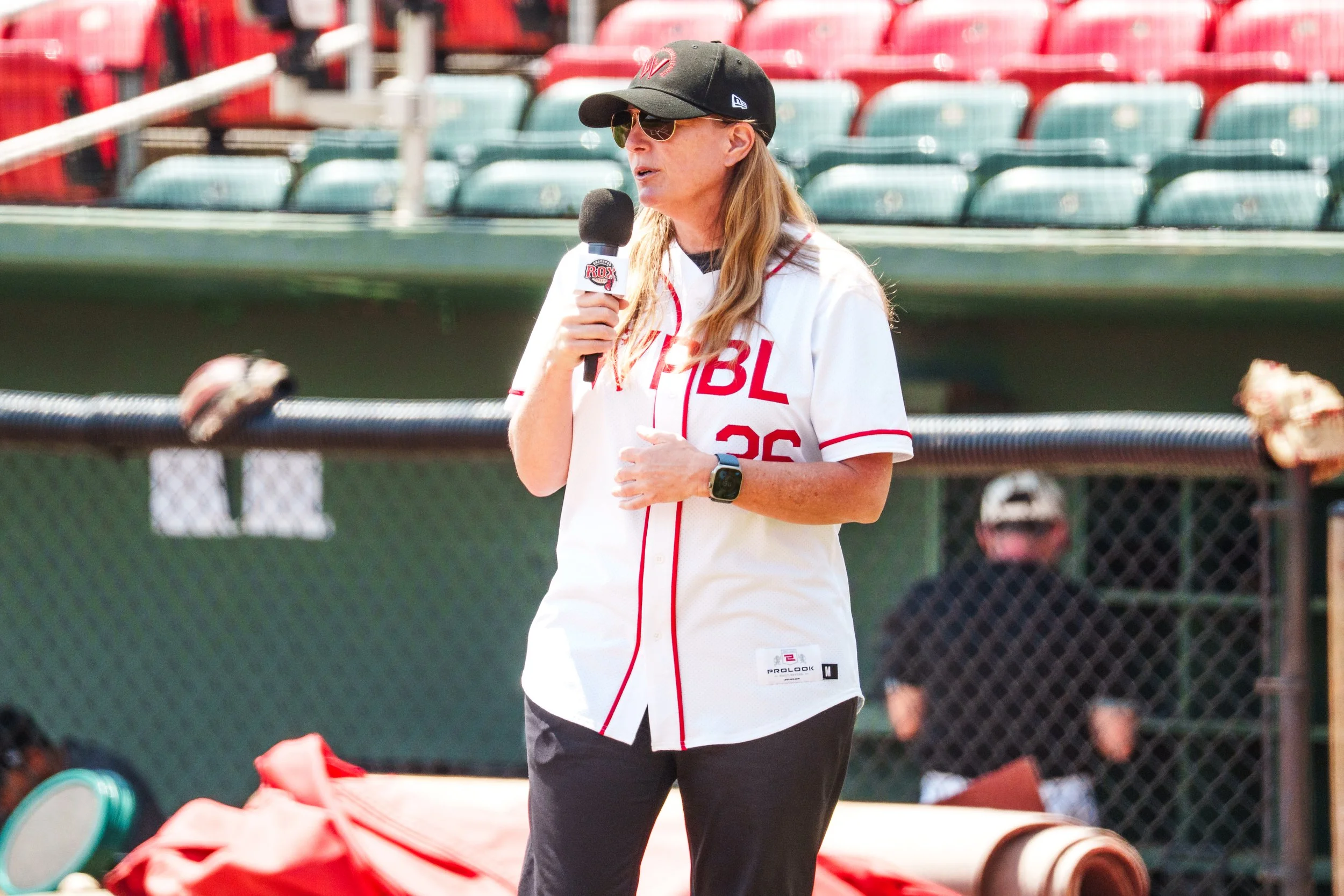
WPBL Commissioner Justine Siegal speaks to the crowd in Brockton, MA. Photo by Jay Ruzicka
Every game of the WPBL's inaugural season will be streamed free on the league's official YouTube channel, allowing baseball fans around the world to follow the action from Opening Day through the championship. For those who want to experience the league in person, single-game tickets are also available for all regular-season contests at Robin Roberts Stadium.
The inaugural season begins on August 1 and features a six-week regular season running through September 6, followed by the league's first-ever postseason and championship later in September. By the time a champion is crowned, the WPBL will have accomplished something that hasn't existed in the United States for more than seven decades: a professional women's baseball league competing for a championship.
Written by Jacqueline Bono