The Photographer’s Angle: Sports Are Supposed To Be Fun
I sit in a dimly lit sports bar, surrounded by strangers glued to the NFL games playing across the many TVs. The man at the table to my left is upset at a particular player for costing him money on whatever bet he placed on his betting app that morning.
“Fucking idiot. He shouldn’t even be playing football if he can’t handle catching the ball,” he slurs drunkenly to the others at his table.
To my right, a couple sits at the bar. They’re ecstatic that their team won, but their first instinct is to yell “Fuck the Bills” across the restaurant at a table of Buffalo fans. Nearby, children eat chicken tenders.
Days later, I’m photographing for a college when I recognize a student-athlete in the stands.
“I quit the team,” she tells me. “It was the coach. I couldn’t play for her anymore. I’ve lost all of my passion to play.”
I think back to my own football coach in grade school.
“Guys, wake up. It’s gameday. This is literal fucking war,” he yells before a game.
Hours earlier, I had been sitting in a classroom learning about an actual war in which people had lost their lives.
A couple of years earlier, a coach at an NCAA Division I team I photograph for stepped down amid allegations of mistreating her players. She was accused of forcing her team to trauma-dump during a meeting, making negative comments about their bodies, and having a player compete with a concussion. I cannot confirm the legitimacy of these claims, but I spoke to one athlete who was ready to walk away from the sport she loved since she was a child.
Sports are supposed to be fun. So what happened?
I've seen so much emphasis placed on winning in college sports and at the levels below them that I sometimes wonder when we lost sight of what sports are supposed to offer in the first place. At this age, sports should be about bringing people from different backgrounds together, teaching them to work as a team and trust one another, and encouraging personal growth that extends far beyond athletics.
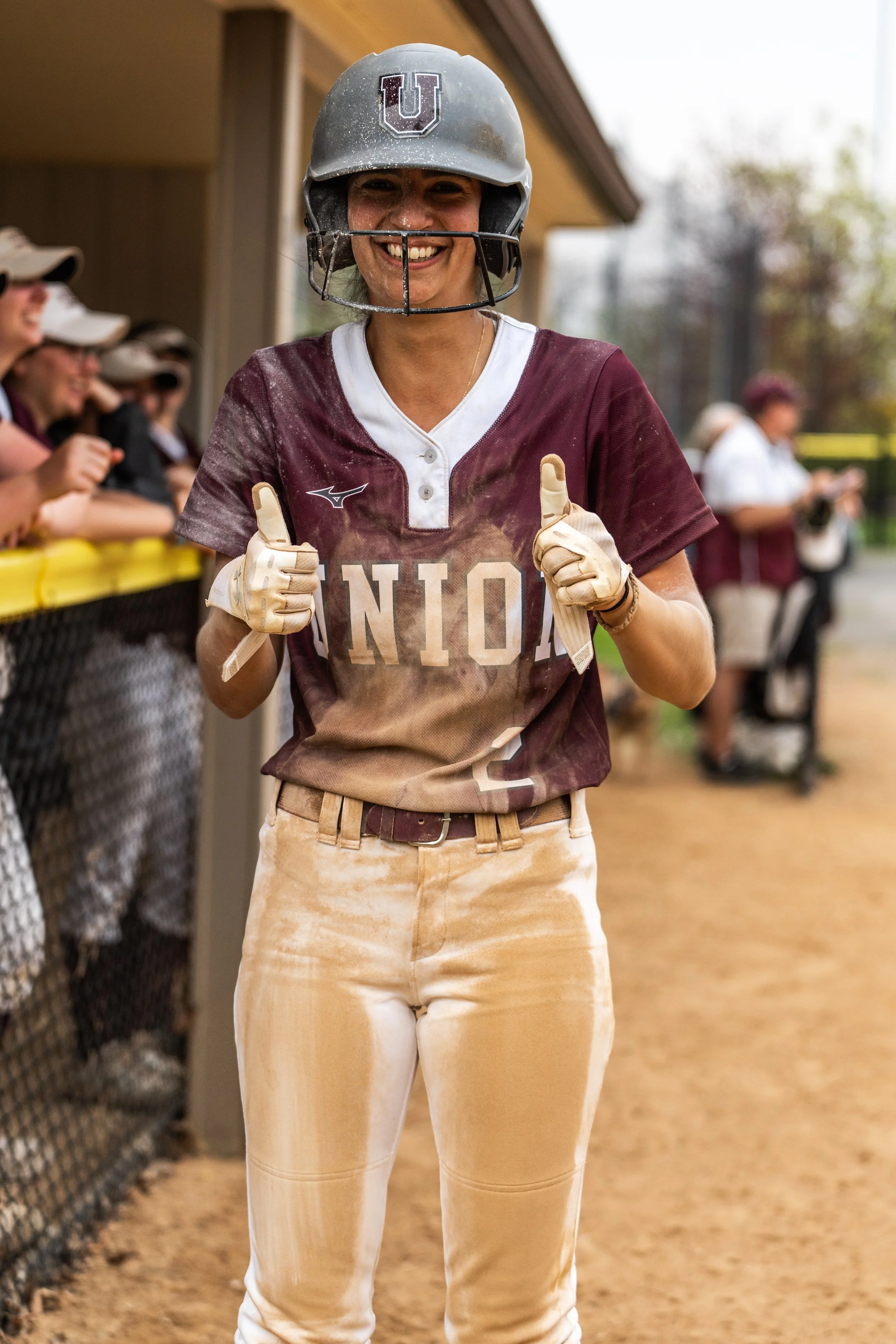
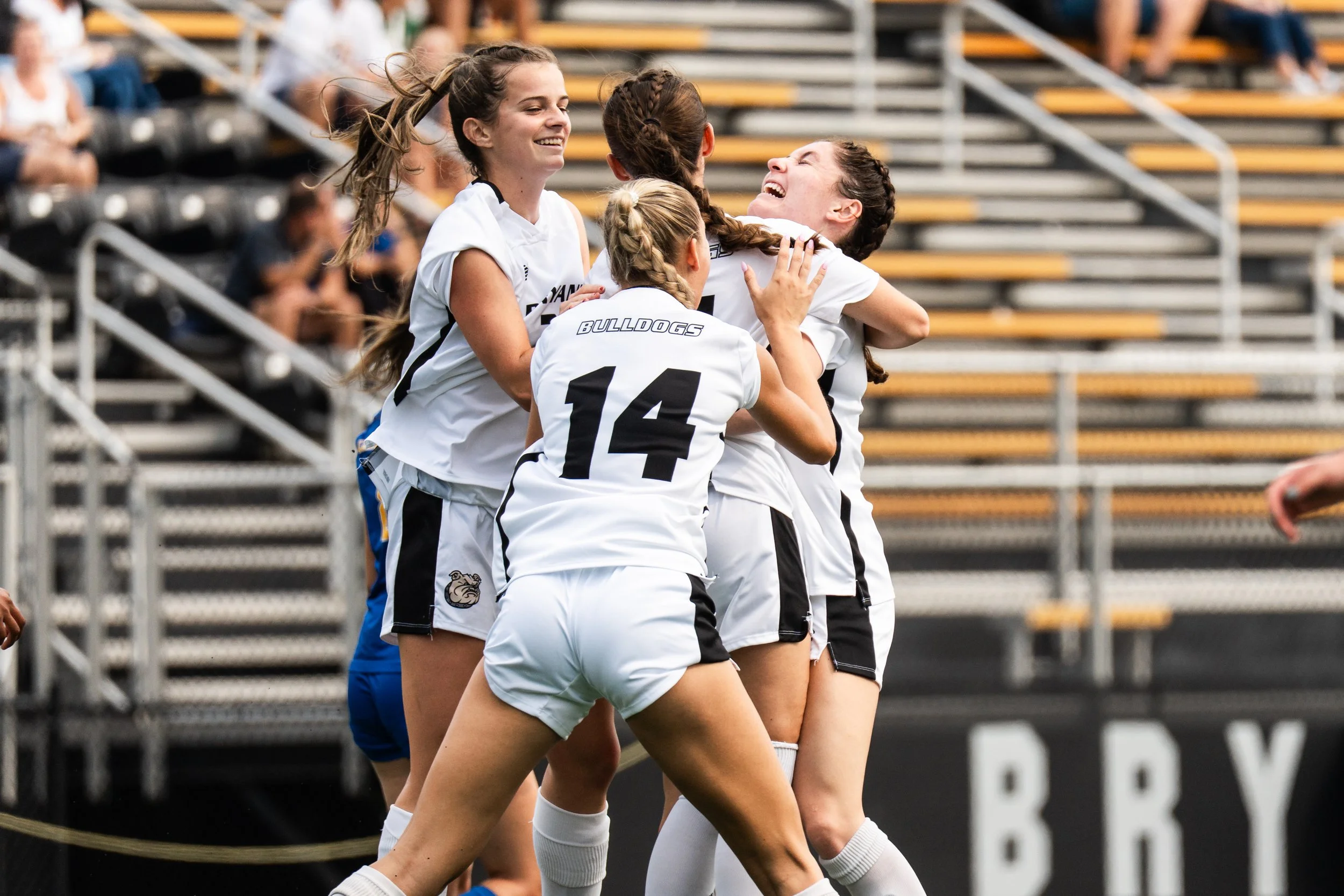
Fortunately, as a sports photographer, I've also seen the other side of sports. I've watched teammates pull each other up, celebrate one another's accomplishments, and genuinely enjoy the sport they've likely loved since they were small children. I've seen the smiles, the new friendships, and the look on an athlete's face when they accomplish something they didn't know they were capable of.
That's what makes it so frustrating to see what sports can become when winning takes priority over everything else.
Obviously, there's money in professional sports, and the stakes are different. But why have we, as fans, become so vitriolic about what happens on the field that we let it affect how we treat other people?
I'm guilty of getting caught up in it, too. I'm frustrated when Trent Grisham strikes out swinging to end the Yankees' season. I want my team to win. But this year, I had surgery to remove one of my ribs and some of my muscle to treat Thoracic Outlet Syndrome. I'll have the same surgery again next year.
Through all of that, I'm grateful for the moments when sports can distract me from the very real and frightening difficulties in my daily life. Sometimes, watching a game gives me something else to focus on for a few hours. Sometimes, it's simply nice to have something to look forward to.
And I imagine that's true for a lot of people reading this article. Sports can connect us, give us something to celebrate, and offer a little relief when life gets hard. They can create friendships, build confidence, and give people a sense of belonging. For athletes, they can be a place to grow and discover what they're capable of. For fans, they can be a source of joy and connection.
So why do we sometimes turn something that brings us so much joy into a source of anger? When did a missed catch become a reason to verbally abuse an athlete? When did losing a game become more important than the people playing it?
Maybe we don't need to stop caring so much about sports. Maybe we just need to remember why we cared about them in the first place.
Article and photos by Jay Ruzicka