
Article by Jacqueline Bono
October 30, 2026
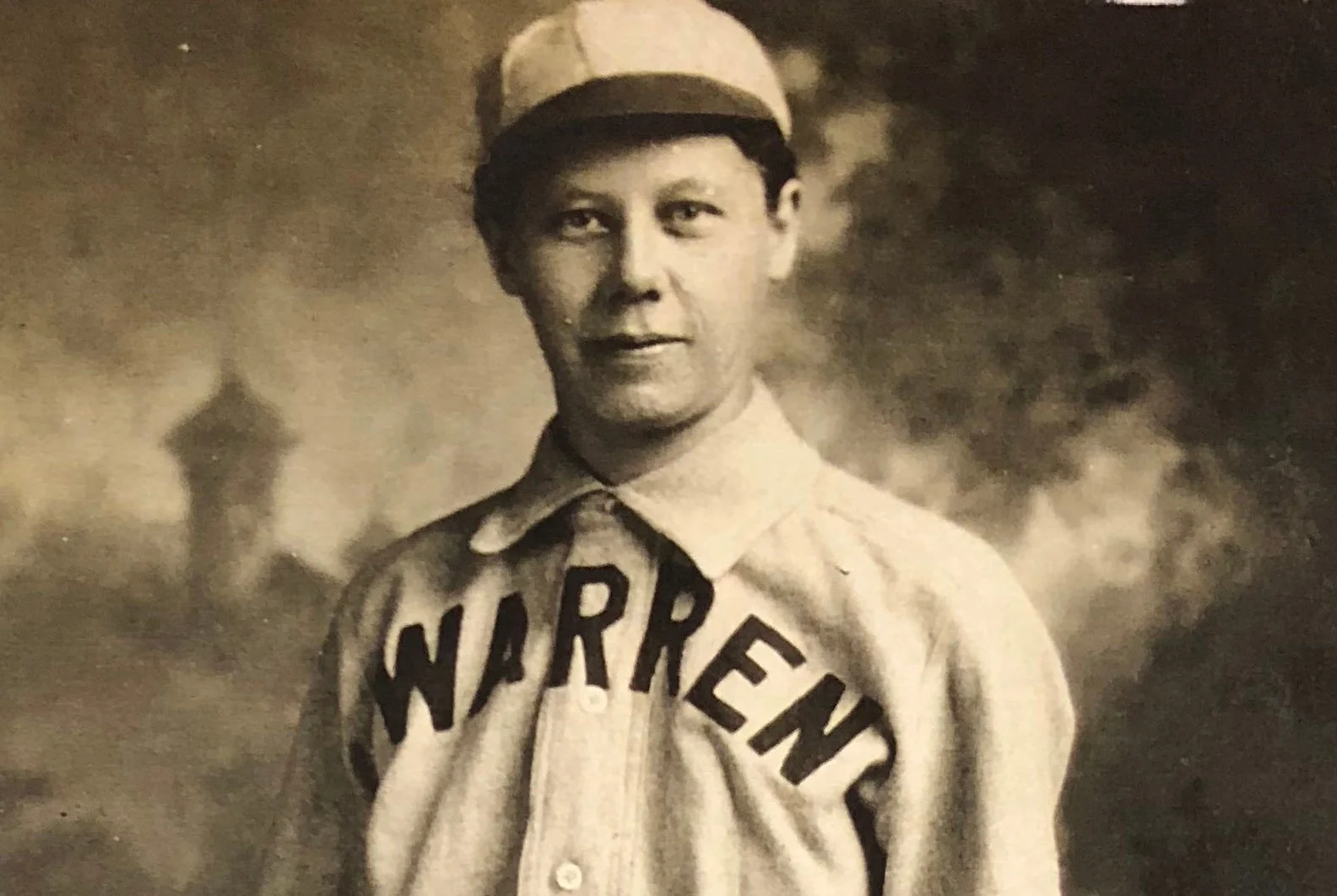
The “Queen of Baseball” Lizzie Murphy
More than a century before Kelsie Whitmore became the first overall draft pick in the WPBL, women were already making history and paving the way for a new generation of female baseball players to make their mark.
Known as the “Queen of Baseball,” Warren, Rhode Island, native Lizzie Murphy didn’t wait for permission to play the sport she loved. After leaving school at 12 to work in local mills, she began playing for mill teams at 15, including the Warren Shoe Company and the Warren Silk Hats, both men’s teams. By 17, she was playing professionally for a semipro team based in Rhode Island, and by 1913, her occupation was listed in a Warren directory as “ball player.”
Murphy continued her rise in baseball by signing with the Boston Traveling All-Stars in 1918. The semipro team competed throughout the United States and Canada, averaging approximately 100 games a year. But Murphy wasn’t just making a name for herself on the field; she was also demanding to be paid for her talent. After being denied payment for a game that brought in $85 at the gate, Murphy decided she had had enough. When the team’s owner advertised one of her appearances in Newport, knowing his female star would draw a crowd, Murphy refused to board the bus unless he agreed to pay her $5 per game. The owner relented, knowing that refusing her request could cost him.
In 1922, Murphy made another historic mark when she became the first woman to play against a Major League team in a major league ballpark, taking first base against the Boston Red Sox at Fenway Park. Murphy knew her worth and was making waves, trailblazing at a time when women were seldom included in sports.
A little further north, some years later, Toni Stone was blazing a trail of her own. Nicknamed “Tomboy” as a child because of her love of sports, she began playing baseball with boys and men at a young age. She originally wanted to play in the All-American Girls Professional Baseball League, the league that inspired A League of Their Own, but it was segregated at the time and did not allow Black women to join. Stone didn’t let this stop her from playing the game she loved.
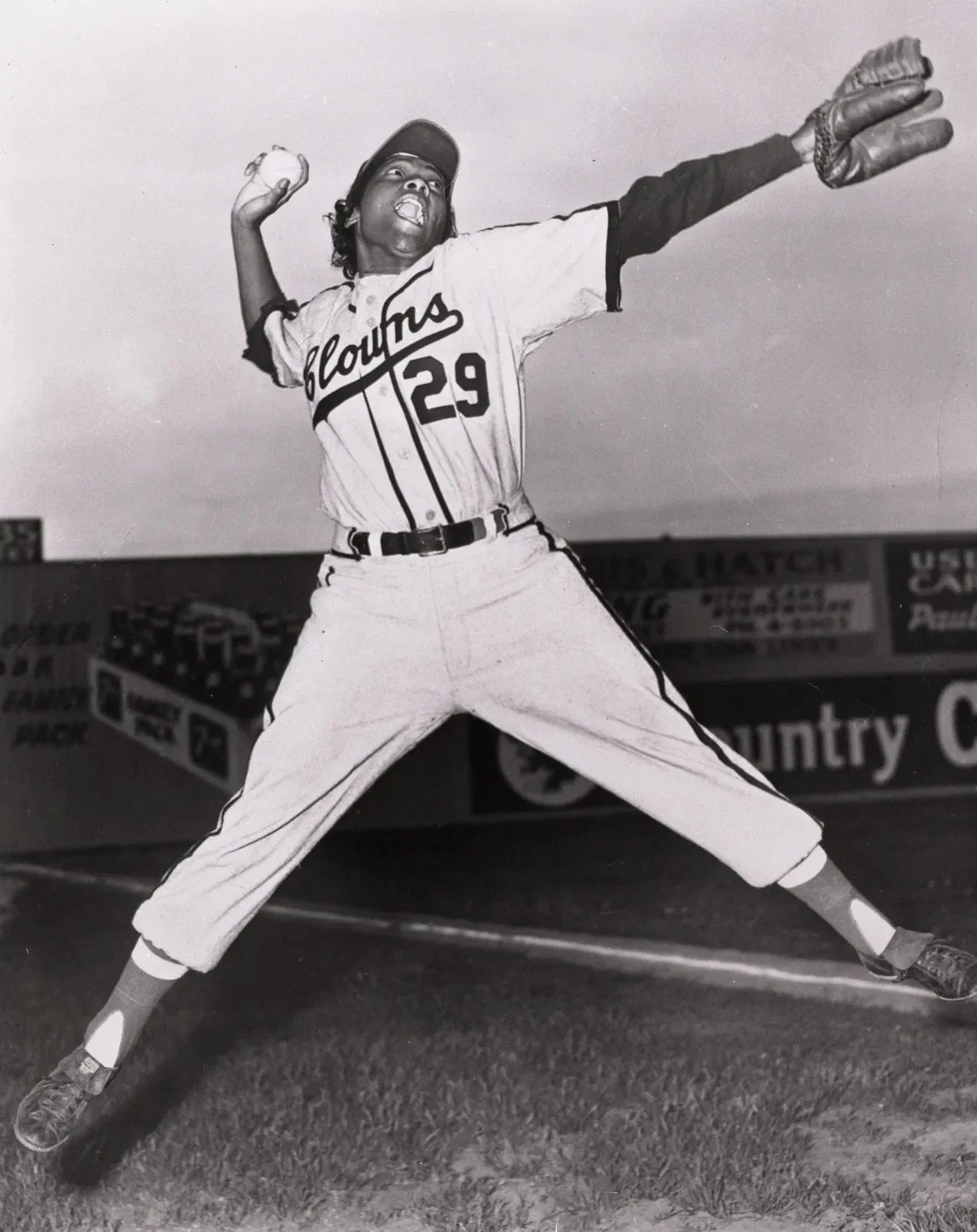
Toni Stone playing for the Indianapolis Clowns
In 1953, she became the first woman to play in the Negro American League, joining the Indianapolis Clowns as a second baseman. Stone studied the game obsessively, proving she had just as much of a “baseball mind” as her male teammates. She played approximately 50 games with the Clowns that year before joining the Kansas City Monarchs in 1954. Throughout her career, she proved to be a rebel, refusing to wear a skirt for promotional purposes and insisting on playing in her uniform. She often had to make separate arrangements for accommodations and changing facilities because she was the only woman on the team.
Despite her accomplishments, Stone didn’t receive widespread recognition during her lifetime. Her story was largely absent from mainstream baseball history, and she eventually received recognition through the Women’s Sports Hall of Fame in 1993.
Toni Stone wasn’t simply a woman playing baseball for publicity. She was a true student of the game and a legitimate professional baseball player who competed against men.
Both women were pioneers, breaking barriers surrounding gender and racial norms. Neither waited for baseball to decide whether women like them belonged. They simply went out and played.
Despite the barriers they faced, their stories helped lay the groundwork for future generations of female baseball players. But breaking into professional baseball remained a challenge, and opportunities to compete at that level were still limited. For generations, women had to find their own ways to play, often competing alongside men and proving themselves in a sport that wasn’t always welcoming.
Fast-forward to today, and a new chapter in women’s baseball is beginning. The Women’s Professional Baseball League (WPBL) is creating an opportunity for women to compete professionally and build careers in a sport they have spent generations fighting to be part of. The uniforms don’t include skirts, and players from different backgrounds and walks of life are now competing for a place in history alongside the women who came before them. More importantly, the league offers something that wasn’t available to Murphy or Stone: the possibility of a professional future built specifically around women’s baseball.
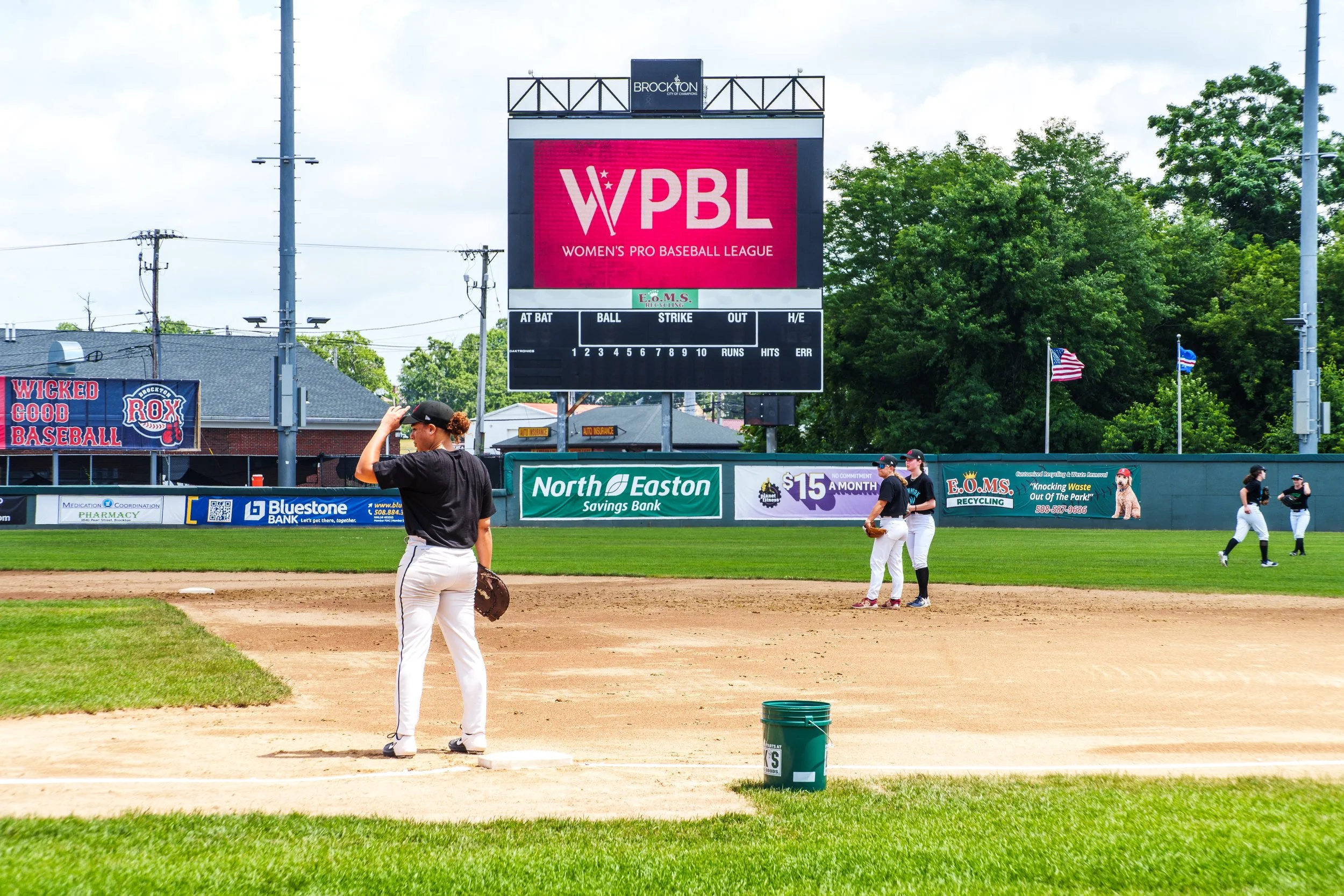
A WPBL practice in Brockton, MA. Photo by Jay Ruzicka
Kelsie Whitmore, the WPBL’s first overall draft pick, has already proven herself to be a capable and competitive baseball player. She has won multiple gold medals representing the United States in international competition. In 2022, she signed with the Staten Island FerryHawks, becoming the first woman to appear in an Atlantic League game. She has continued to compete against men in professional baseball, not just in exhibition games.
In 2025, Whitmore made history again when she was selected first overall in the WPBL’s inaugural draft by the San Francisco Firebells. In 2026, she became the first player in league history to hit three home runs in a single game.
Whitmore is carrying forward the legacy established by Lizzie Murphy and continued by Toni Stone. These women weren’t simply looking for a chance to play one game or prove they could compete. They were helping establish a pathway for women to pursue professional baseball careers.
More than a century after Murphy first stepped onto the diamond, that opportunity is finally taking shape. The WPBL represents a new chapter in a history built by women who refused to accept that baseball wasn’t a game for them. And for the next generation of female players, the dream of playing professional baseball may no longer seem so far out of reach.